
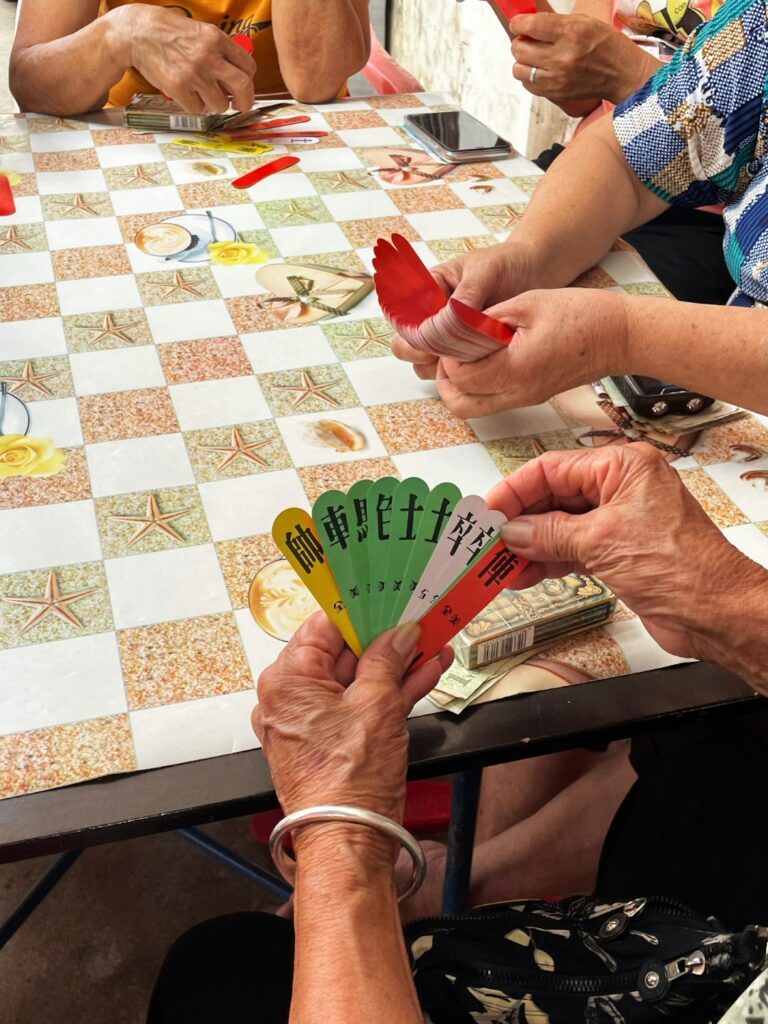
Creative hobbies can give assisted living residents a sense of purpose, relaxation, social connection, and personal choice. Activities do not need to be complicated or physically demanding. The most meaningful options are usually those that match a person’s interests, abilities, memories, and preferred pace.
Which creative hobbies work well in assisted living?
The best hobbies are flexible, easy to adapt, and enjoyable without requiring perfect vision, strong hand coordination, or long periods of concentration. Many activities can be completed independently, with a small group, or alongside a family member.
Useful options include:
- Watercolor painting or coloring
- Collage-making with photographs and magazines
- Knitting, crocheting, or simple yarn crafts
- Large-print journaling
- Greeting-card making
- Music, singing, or rhythm activities
- Flower arranging and seasonal decorations
- Scrapbooking and memory projects
- Simple woodworking or craft assembly
- Clay modeling and other tactile art
A resident who once enjoyed sewing may prefer fabric-based projects, while someone who never considered themselves artistic may enjoy arranging colors, listening to music, or creating a family memory book. Creative hobbies are not limited to traditionally “crafty” people.
How can art activities be adapted for older adults?
Art activities are easier to enjoy when supplies and instructions are adjusted to the resident’s needs. Large-handled brushes, thick markers, nonslip mats, lightweight containers, and easy-grip scissors can reduce frustration. Paints and glues should be placed in stable containers that are simple to open.
For residents with reduced vision, consider:
- High-contrast paper and materials
- Large-print instructions
- Bright, even lighting
- Thick pens and markers
- Raised outlines for coloring or painting
- Verbal descriptions of colors and shapes
For residents with arthritis or limited hand strength, choose soft clay, pre-cut paper, larger beads, chunky yarn, or projects that do not require tight gripping. A project can also be divided into short steps so a person can rest without losing their place.
The goal is participation, not perfection. A finished project may look different from the original example and still be meaningful.
Are creative hobbies helpful for residents with memory loss?
Yes. Familiar creative activities can be especially useful for people living with memory loss because they often rely on recognition, sensory experience, and routine rather than complex instructions. Music, folding fabric, sorting colors, decorating cookies, and looking through photographs may feel more comfortable than unfamiliar tasks.
Activities should be presented simply, one step at a time. Instead of asking, “What would you like to make?” offer two clear choices, such as “Would you like to use the blue paper or the yellow paper?” Demonstrating the first step can be more helpful than giving a long verbal explanation.
Helpful approaches include:
- Using familiar songs from the person’s young adult years
- Offering projects connected to holidays or seasons
- Displaying finished work where the resident can see it
- Avoiding correction when the work is not completed as expected
- Focusing conversation on memories, colors, textures, and feelings
A hobby should never become a test of memory or ability. If the resident loses interest, becomes tired, or seems frustrated, the activity can be paused or simplified.
What creative hobbies encourage social connection?
Group hobbies can reduce isolation without requiring residents to share personal information or perform in front of others. Some people prefer quiet companionship rather than structured conversation.
Good group activities include a shared collage, sing-alongs, seasonal decorating, group storytelling, flower arranging, and “show and tell” sessions featuring handmade items or family photographs. Residents can also work on separate projects at the same table, which allows social contact without pressure to participate in the same way.
Music is particularly adaptable. Residents may enjoy singing, tapping along with rhythm instruments, identifying familiar songs, or discussing memories connected to a tune. Participation can be active or simply involve listening.
For people who become overwhelmed in large groups, a smaller gathering or one-to-one activity may be more comfortable.

How can hobbies reflect life in Greencastle, PA?
Local seasons and familiar household traditions can provide natural inspiration without requiring residents to travel. Spring flowers, summer gardens, autumn leaves, winter scenes, family recipes, and memories of rural or small-town life can become themes for artwork, storytelling, or decorations.
Seasonal projects may include:
- Pressed-leaf pictures using safe, prepared materials
- Paper flowers and garden collages
- Painted scenes of barns, porches, or country roads
- Recipe cards featuring family dishes
- Holiday ornaments made from lightweight materials
- Memory books about former homes, pets, work, or community traditions
The area’s changing weather also makes indoor hobbies useful throughout the year. On cold, wet, or icy days, a prepared craft table, music session, or writing project can provide structure without requiring outdoor travel. During warmer weather, some activities may be moved to a shaded outdoor space if pathways, seating, and supervision are appropriate.
What should families bring for a resident’s hobby?
Families can often support creative activity by bringing safe, familiar materials rather than expensive equipment. Useful items may include photographs, fabric samples, old greeting cards, recipe cards, large-print books, postcards, or copies of meaningful letters.
Before bringing supplies, consider whether they are:
- Safe to store and easy to identify
- Comfortable for the resident to handle
- Free from sharp edges or small parts that could be swallowed
- Simple enough to use without constant assistance
- Clearly labeled if several residents share activity space
Personal materials can also start meaningful conversations. A box of fabric squares may lead to stories about sewing, clothing, holidays, or relatives. A photograph can inspire writing, drawing, or reminiscence even if the resident does not complete a formal project.
How can residents choose a hobby that fits their abilities?
Start with past interests, but do not assume an old hobby must be continued in the same form. A former gardener may enjoy arranging artificial flowers or painting plant pots rather than managing outdoor beds. Someone who once played an instrument may prefer listening to familiar music, shaking a rhythm instrument, or helping choose songs.
A practical trial can answer more than a long discussion. Offer a short activity and observe whether the resident appears interested, comfortable, and able to participate. Signs of a good fit include relaxed posture, conversation, smiling, focused attention, or wanting to continue.
If the activity causes pain, fatigue, embarrassment, or confusion, change the materials or choose another option. Creative recreation should support dignity and choice, not create another task to complete.
Can creative hobbies support emotional well-being?
Creative activities can provide a quiet way to express feelings, maintain identity, and mark ordinary moments. Completing a small project may help a resident feel capable and involved. Sharing music or memories can strengthen relationships with other residents, family members, and caregivers.
The emotional benefit often comes from the process rather than the finished object. A resident may enjoy choosing colors, feeling yarn, hearing a familiar song, or talking while working. Even a few minutes of comfortable engagement can be worthwhile.
A varied activity routine may include quiet individual hobbies, social projects, music, reminiscence, and seasonal activities. Offering choices and allowing residents to participate at their own pace helps preserve independence while making creative time more welcoming and meaningful.
